Made in USA
Anti-Aging
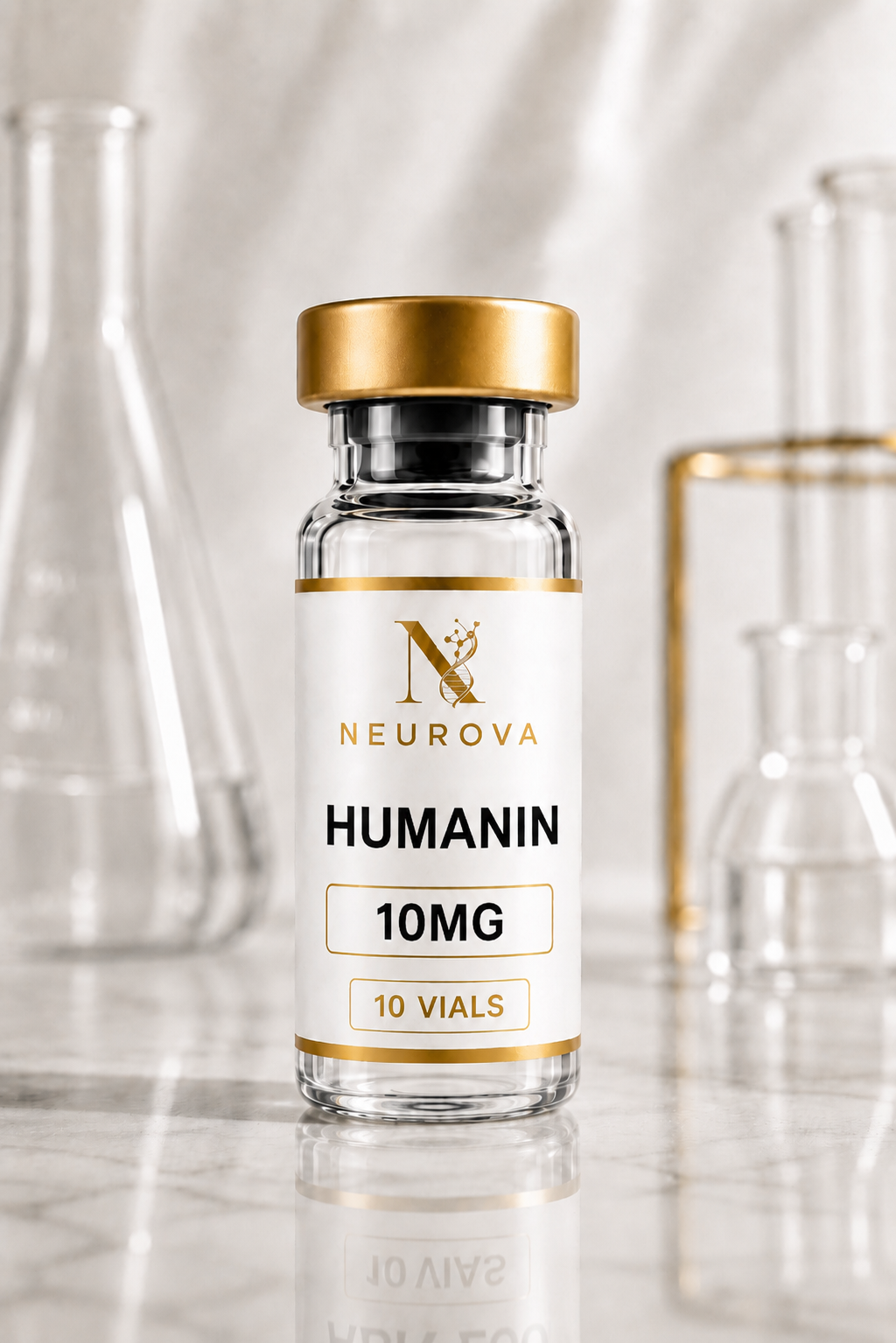
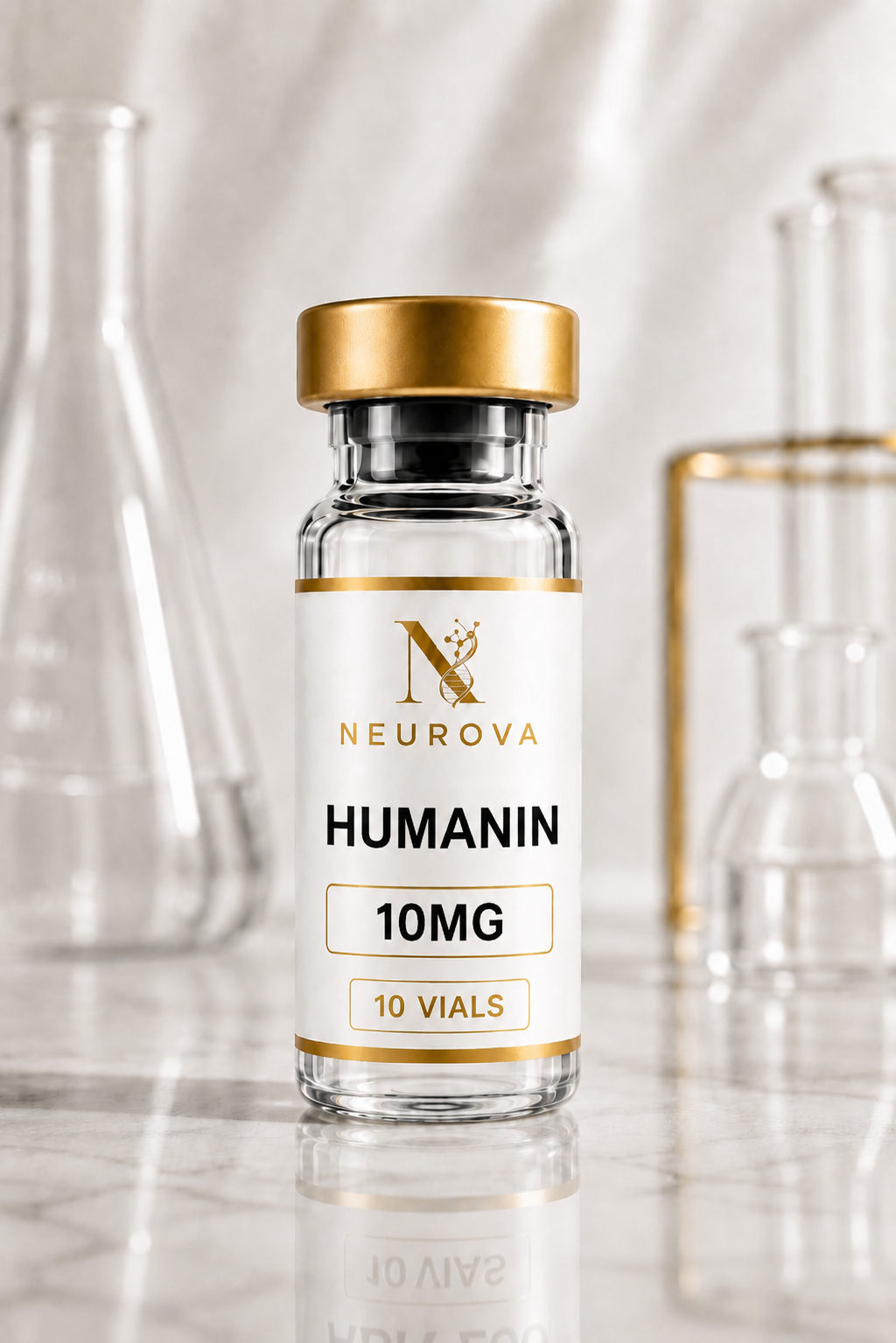
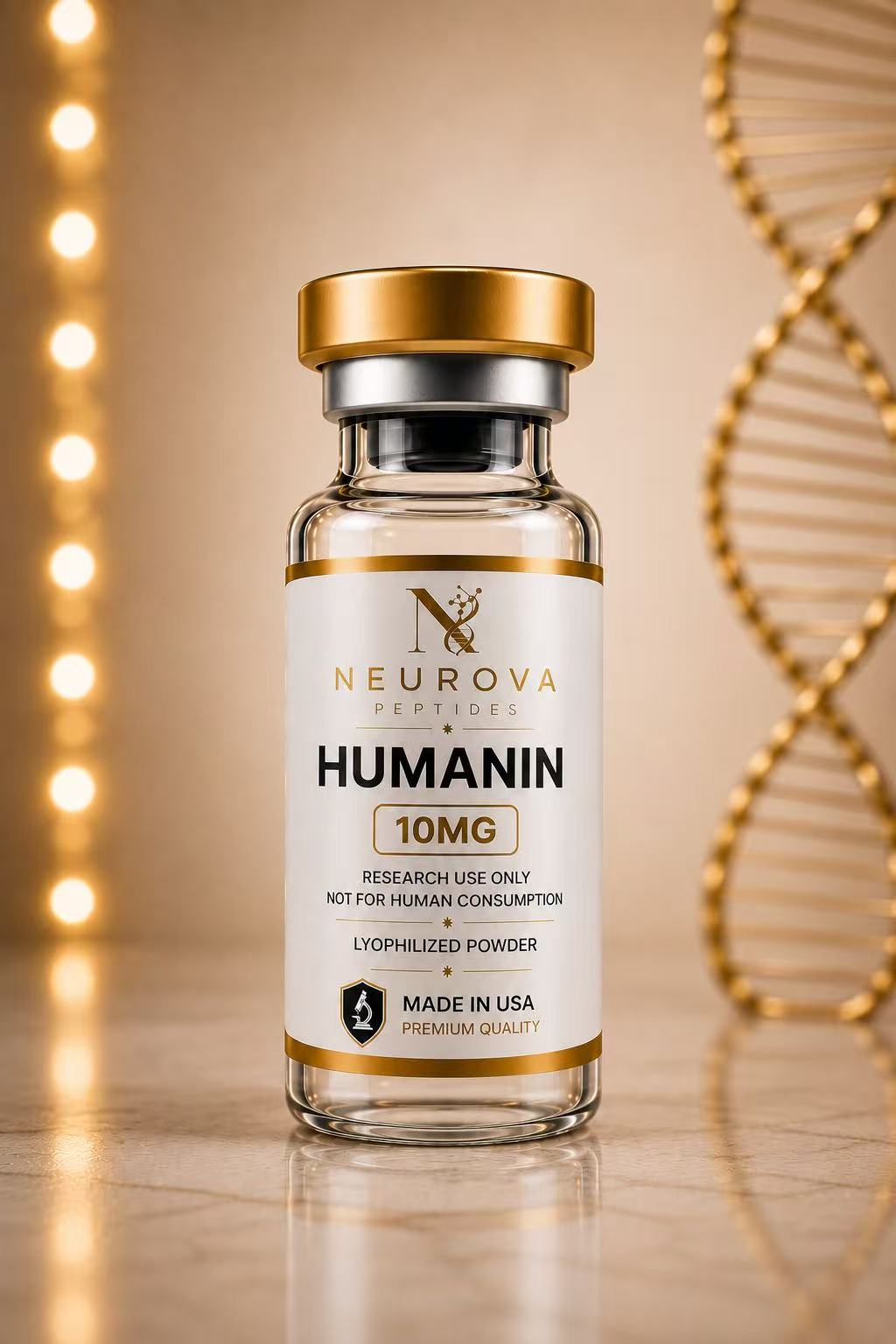
Humanin
Made in USA · Research Use Only
Premium research-grade Humanin · Made in USA
$135
Select Strength
Dosage
10mg
Packaging
1 vial
Purity
HPLC ≥ 98%
Origin
USA
For research use only. Not for human consumption. Products are intended for laboratory research by qualified professionals.
Humanin (Peptide) Information
Humanin is a naturally occurring mitochondrial-derived peptide (MDP) composed of 24 amino acids. It is produced by mitochondria and has gained attention for its potential cytoprotective, neuroprotective, metabolic, and anti-aging properties. Research is ongoing, and most evidence comes from preclinical studies rather than large human clinical trials.
Potential Benefits
Brain & Nervous System
* May protect neurons from oxidative stress
* Investigated for potential roles in Alzheimer’s and other neurodegenerative diseases
* May support cognitive function and memory
* Helps reduce apoptosis (programmed cell death)
Metabolic Health
* May improve insulin sensitivity
* Supports healthy glucose metabolism
* Potential benefits in obesity and metabolic syndrome research
Cardiovascular Support
* May protect heart cells from ischemic injury
* Supports mitochondrial function
* May reduce oxidative damage in cardiovascular tissues
Healthy Aging
* Supports mitochondrial health
* May reduce cellular stress
* Investigated for longevity and age-related decline
* May help preserve cellular function over time
Muscle Recovery
* May help reduce oxidative stress after intense exercise
* Supports cellular energy production
* Potential role in improving recovery, though human data are limited
Mechanism of Action
Humanin interacts with several cellular signaling pathways involved in:
* Cell survival
* Anti-apoptotic activity
* Mitochondrial protection
* Reduction of oxidative stress
* Modulation of inflammatory signaling
Its primary role appears to be protecting cells from stress and maintaining mitochondrial function.
Suggested Clinical Administration
Humanin is generally administered by subcutaneous (SC) injection in research settings. Because it remains investigational, there is no standardized or approved dosing regimen for general clinical use.
Storage
* Store lyophilized peptide refrigerated (2–8°C / 36–46°F)
* After reconstitution, refrigerate
* Protect from light
* Avoid repeated freeze-thaw cycles
Possible Side Effects
Human data are limited, but reported or theoretical effects include:
* Injection site irritation
* Mild headache
* Temporary fatigue
* Nausea (uncommon)
Overall safety in long-term use has not been established.
Research Areas
Humanin is being investigated for:
* Alzheimer’s disease
* Parkinson’s disease
* Type 2 diabetes
* Cardiovascular disease
* Sarcopenia (age-related muscle loss)
* Healthy aging and longevity
Notes
* Humanin is not FDA-approved for anti-aging or performance enhancement.
* Most evidence comes from laboratory and animal studies, with limited human clinical research.
* It is considered an investigational peptide, and its long-term efficacy and safety remain under study.
Humanin is a naturally occurring mitochondrial-derived peptide (MDP) composed of 24 amino acids. It is produced by mitochondria and has gained attention for its potential cytoprotective, neuroprotective, metabolic, and anti-aging properties. Research is ongoing, and most evidence comes from preclinical studies rather than large human clinical trials.
Potential Benefits
Brain & Nervous System
* May protect neurons from oxidative stress
* Investigated for potential roles in Alzheimer’s and other neurodegenerative diseases
* May support cognitive function and memory
* Helps reduce apoptosis (programmed cell death)
Metabolic Health
* May improve insulin sensitivity
* Supports healthy glucose metabolism
* Potential benefits in obesity and metabolic syndrome research
Cardiovascular Support
* May protect heart cells from ischemic injury
* Supports mitochondrial function
* May reduce oxidative damage in cardiovascular tissues
Healthy Aging
* Supports mitochondrial health
* May reduce cellular stress
* Investigated for longevity and age-related decline
* May help preserve cellular function over time
Muscle Recovery
* May help reduce oxidative stress after intense exercise
* Supports cellular energy production
* Potential role in improving recovery, though human data are limited
Mechanism of Action
Humanin interacts with several cellular signaling pathways involved in:
* Cell survival
* Anti-apoptotic activity
* Mitochondrial protection
* Reduction of oxidative stress
* Modulation of inflammatory signaling
Its primary role appears to be protecting cells from stress and maintaining mitochondrial function.
Suggested Clinical Administration
Humanin is generally administered by subcutaneous (SC) injection in research settings. Because it remains investigational, there is no standardized or approved dosing regimen for general clinical use.
Storage
* Store lyophilized peptide refrigerated (2–8°C / 36–46°F)
* After reconstitution, refrigerate
* Protect from light
* Avoid repeated freeze-thaw cycles
Possible Side Effects
Human data are limited, but reported or theoretical effects include:
* Injection site irritation
* Mild headache
* Temporary fatigue
* Nausea (uncommon)
Overall safety in long-term use has not been established.
Research Areas
Humanin is being investigated for:
* Alzheimer’s disease
* Parkinson’s disease
* Type 2 diabetes
* Cardiovascular disease
* Sarcopenia (age-related muscle loss)
* Healthy aging and longevity
Notes
* Humanin is not FDA-approved for anti-aging or performance enhancement.
* Most evidence comes from laboratory and animal studies, with limited human clinical research.
* It is considered an investigational peptide, and its long-term efficacy and safety remain under study.
Chemical profile details will be added as documentation becomes available.
Certificate of Analysis — Coming Soon
Lab reports and COA documents will be available here in a future update.
Contact us for batch-specific documentation.